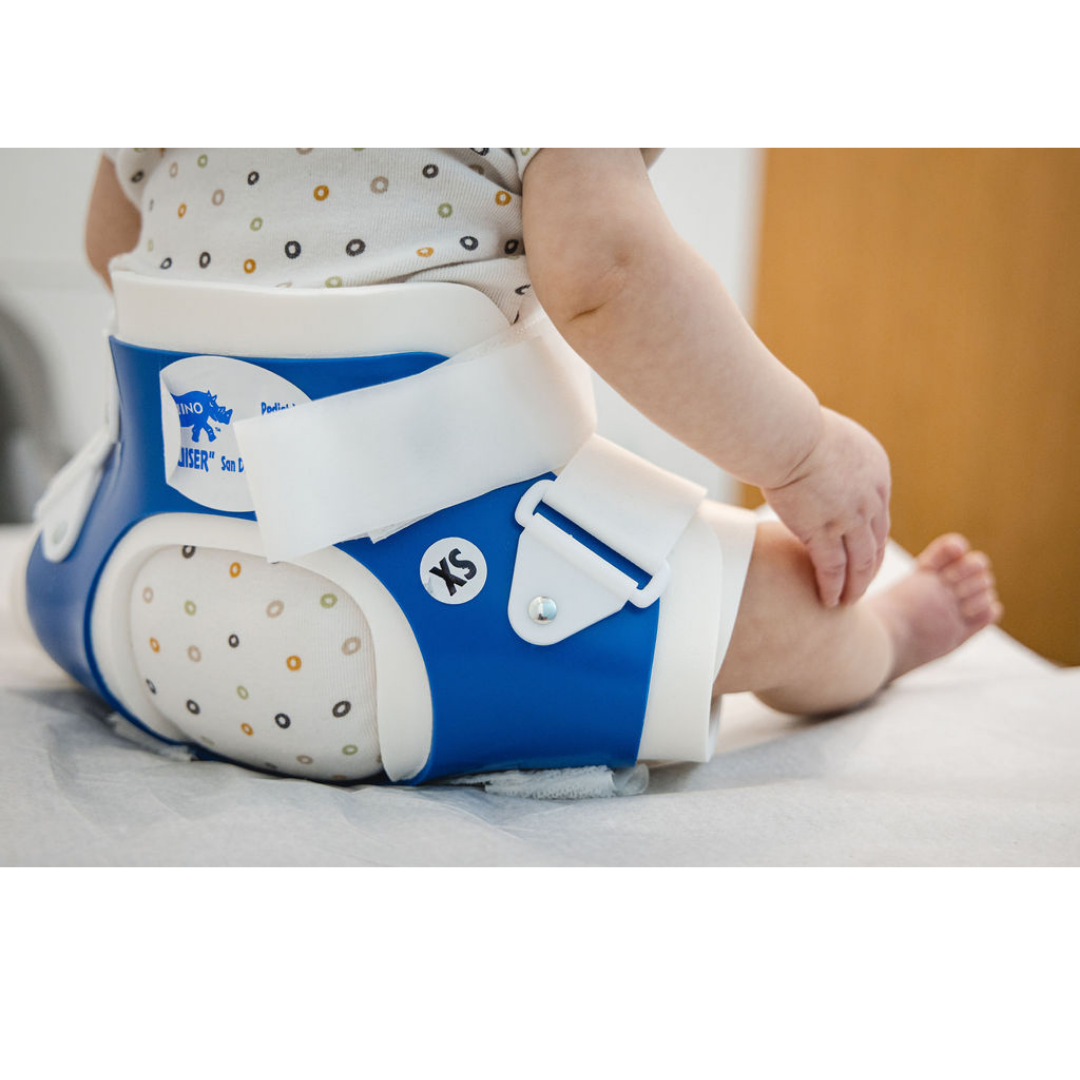

Hip Dysplasia Bracing

At OP Specialty Bracing, we understand that no two hip dysplasia cases are alike. That’s why we offer and are developing NEW hip abduction braces and Pavilk harness solutions for infants with hip dysplasia diagnosis. Each brace is tailored to a specific age range in treatment and has specific features to support treatment either conservatively or post-op, from the established standard of care brace like the Rhino® Cruiser to the new line of PediHip™ hip dysplasia bracing solutions.
Hip Dysplasia Bracing Options

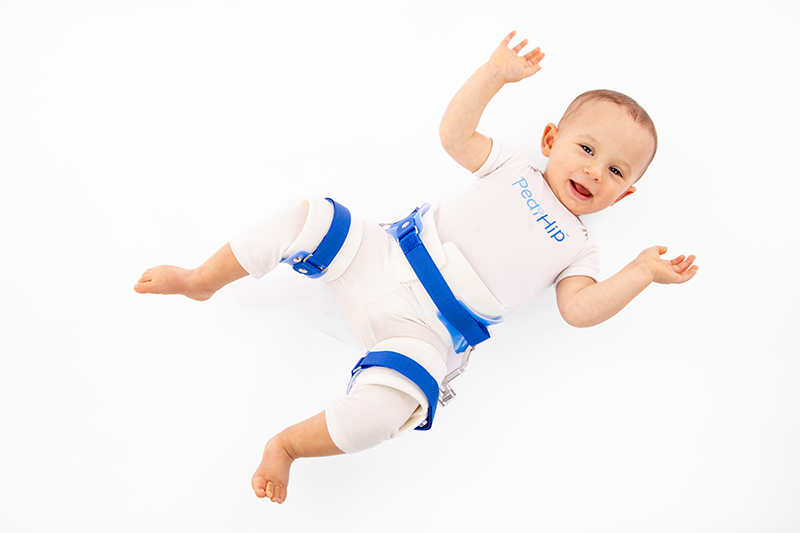
PediHip™ Modu-Roar Modular Abduction System

The PediHip™ Modular Abduction System is intended for treatment of Developmental Dysplasia of the Hip (DDH) and post-operative stabilization in pediatric patients ages three years and younger, as instructed by a healthcare provider.

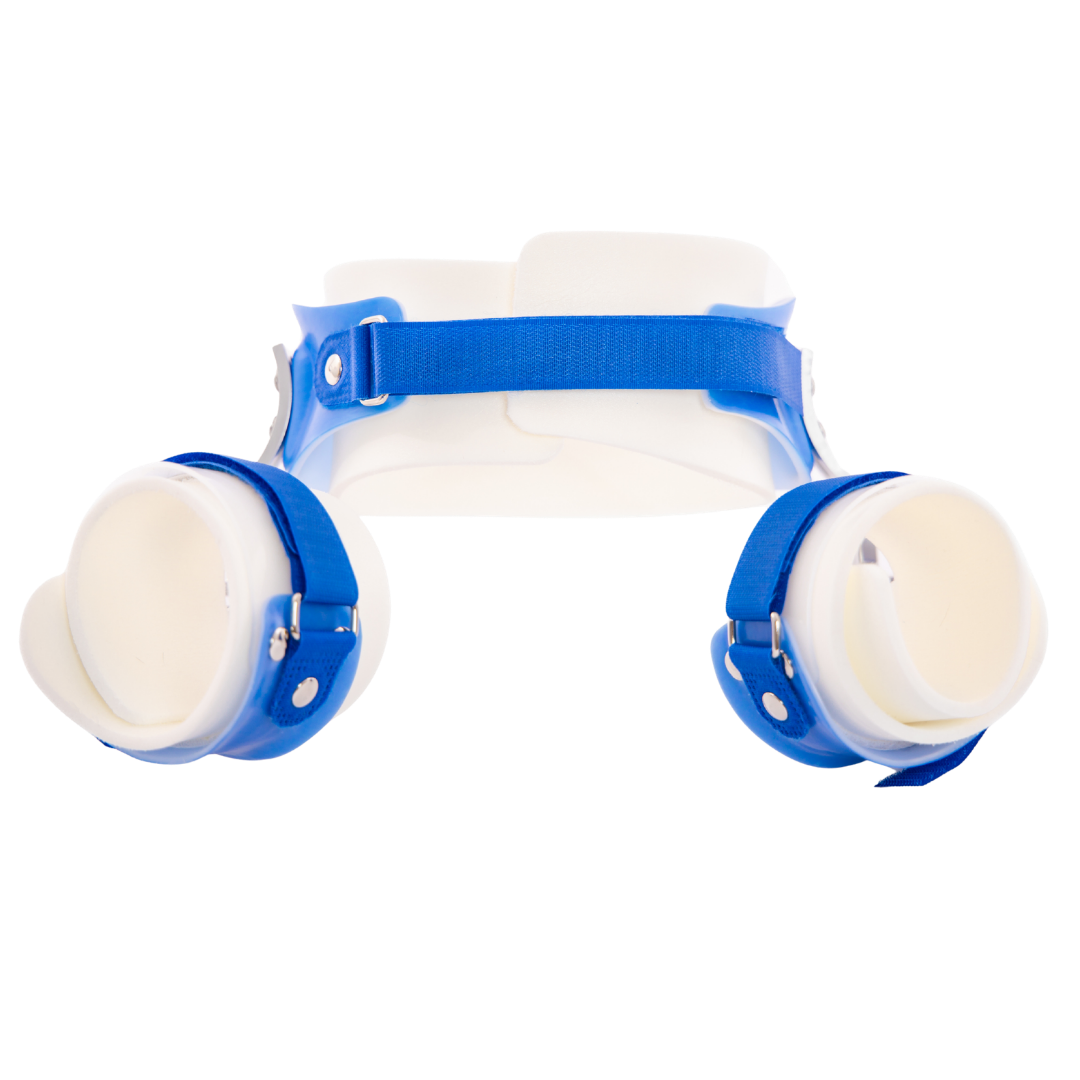
PediHip™ Hippo Rigid Brace

The PediHip™ Modular Abduction System is intended for treatment of Developmental Dysplasia of the Hip (DDH) and post-operative stabilization in pediatric patients ages three years and younger, as instructed by a healthcare provider.

Rhino® Kicker

The Rhino® Kicker is engineered for effective hip dysplasia treatment, pairing precise strap placement with soft, infant-friendly materials.

Rhino® Cruiser

The Cruiser polypropylene hip abduction brace designed to address hip dysplasia in infants up to 3 years old.

FAQs

Infant hip dysplasia braces, most commonly the Pavlik Harness, are highly effective when used early, like the Rhino® Kicker. Research shows success rates of 85–95% in infants under 6 months, particularly when treatment begins shortly after diagnosis.

Studies published in journals like the Journal of Pediatric Orthopaedics demonstrate that bracing maintains the hip in a stable position, allowing normal development of the joint. Early, consistent use significantly reduces the need for surgical intervention.

Yes, research consistently shows that a hip dysplasia brace (such as the Pavlik Harness) can correct hip development without surgery in most early-diagnosed cases.

A systematic review published in the Journal of Neonatal Surgery found that success rates can reach up to 97% when treatment is started early, supporting bracing as a highly effective first-line, non-surgical intervention.

Additional clinical studies report average success rates around 80–85%, with outcomes strongly tied to early initiation and appropriate patient selection and proper brace application.

Further research reviews indicate that overall success rates for Pavlik harness treatment commonly exceed 75% across diverse patient populations, reinforcing its role in avoiding surgical intervention in most mild-to-moderate cases.

Key takeaway: Early diagnosis, proper fit, and consistent wear make bracing a highly effective strategy for correcting hip development often eliminating the need for surgery altogether.

Connect with OP Specialty Bracing

We look forward to helping you provide the best orthopedic care for kids.

Locate a pediatric clinic near you.
Refer a patient to one of our clinics.
Have questions about a product?