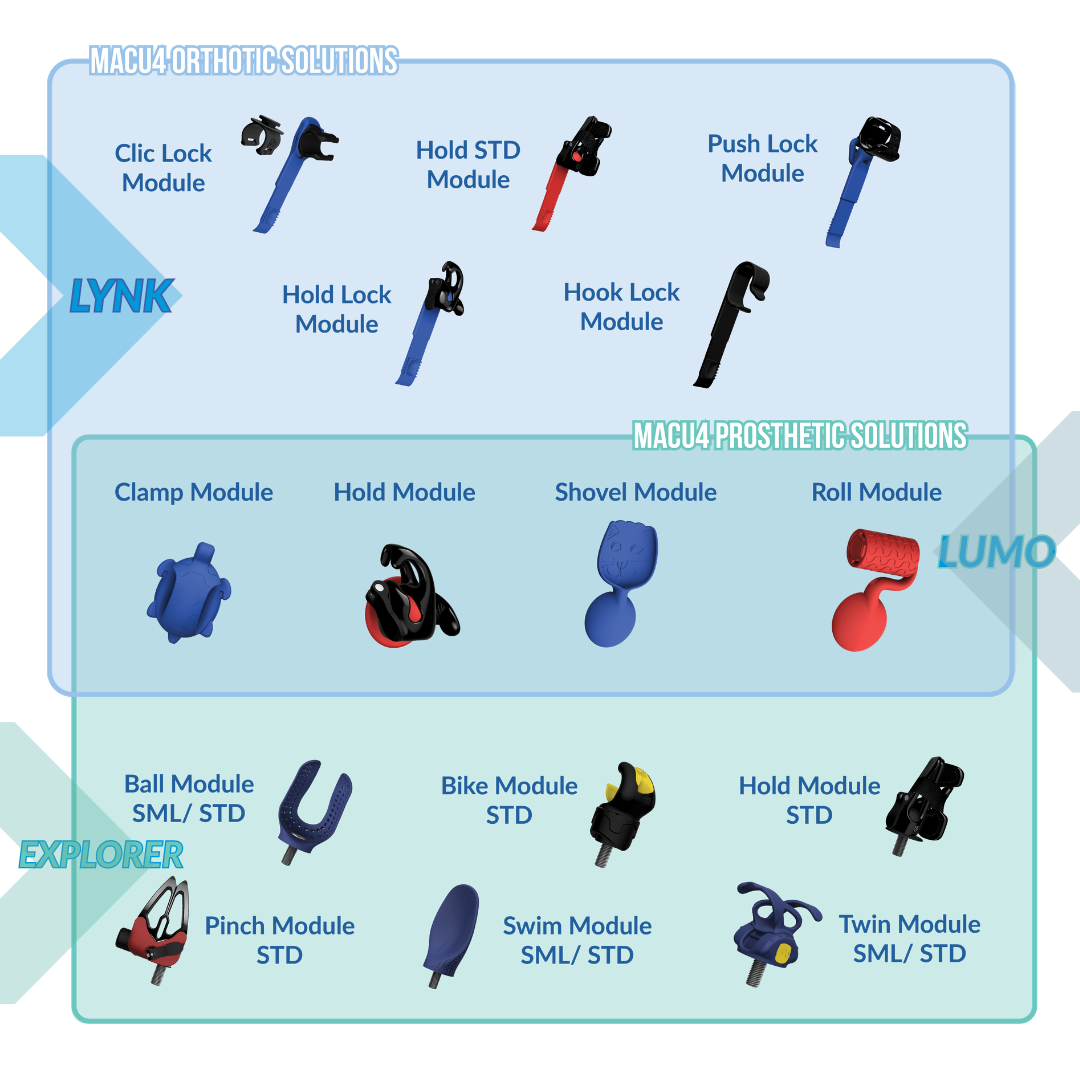
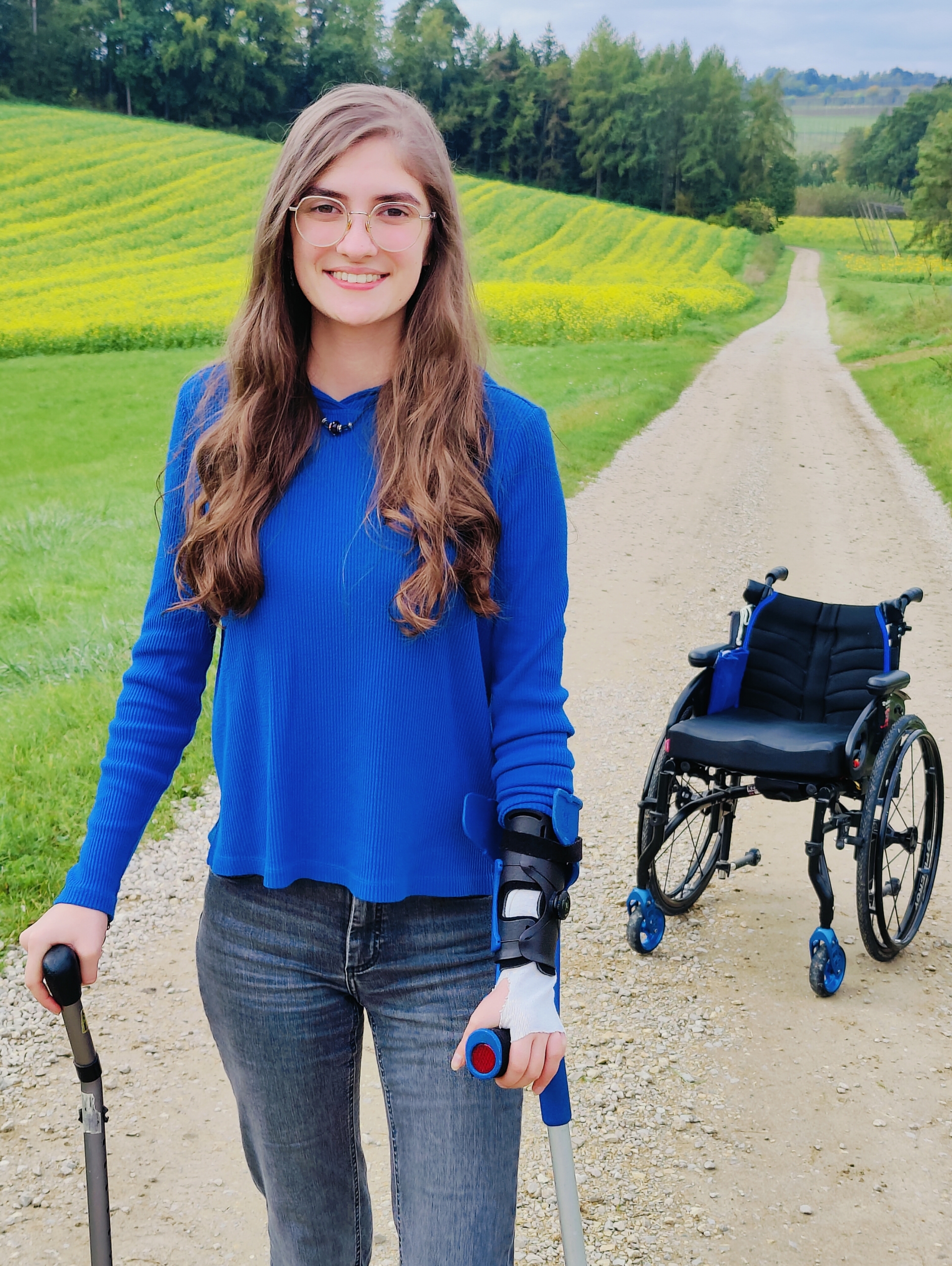


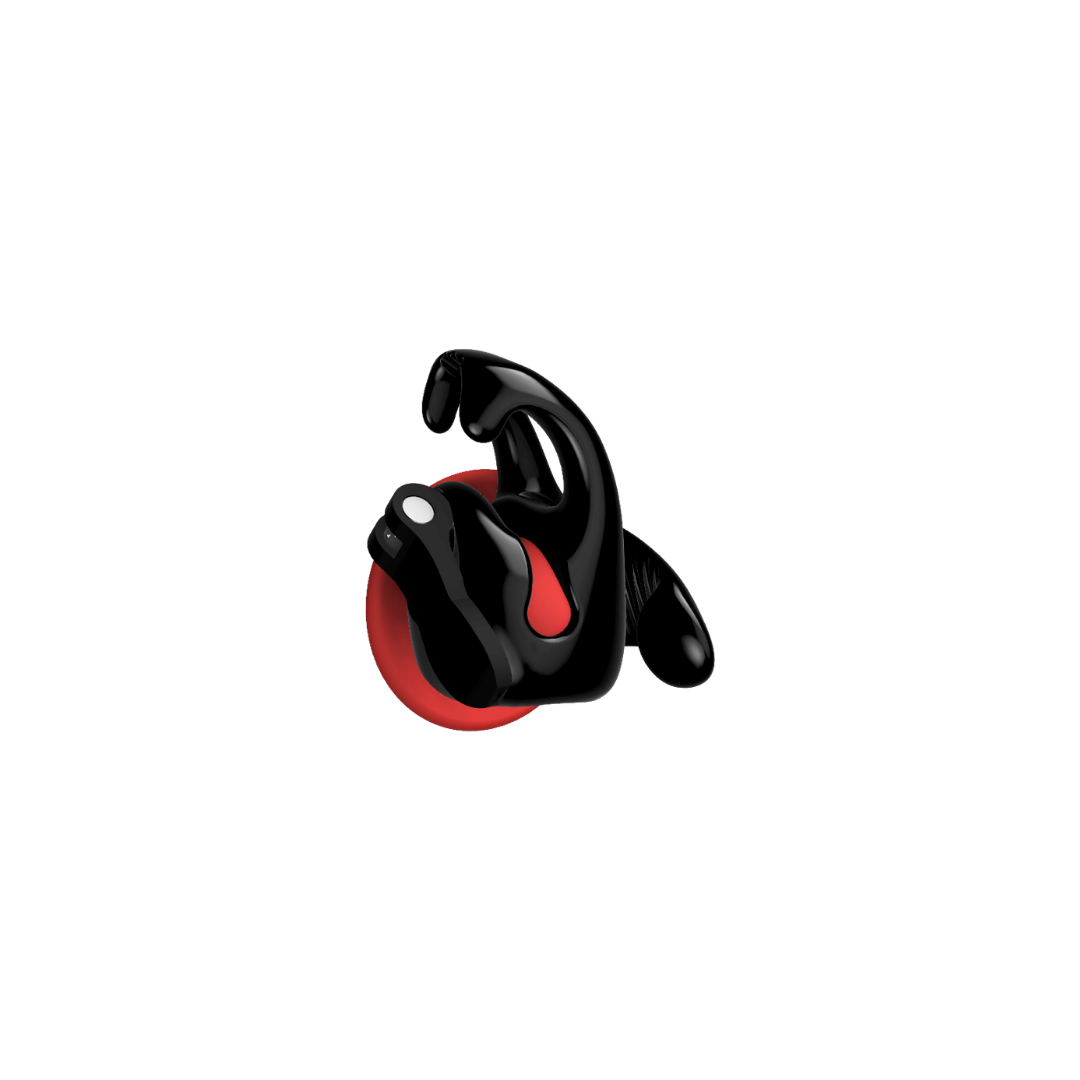
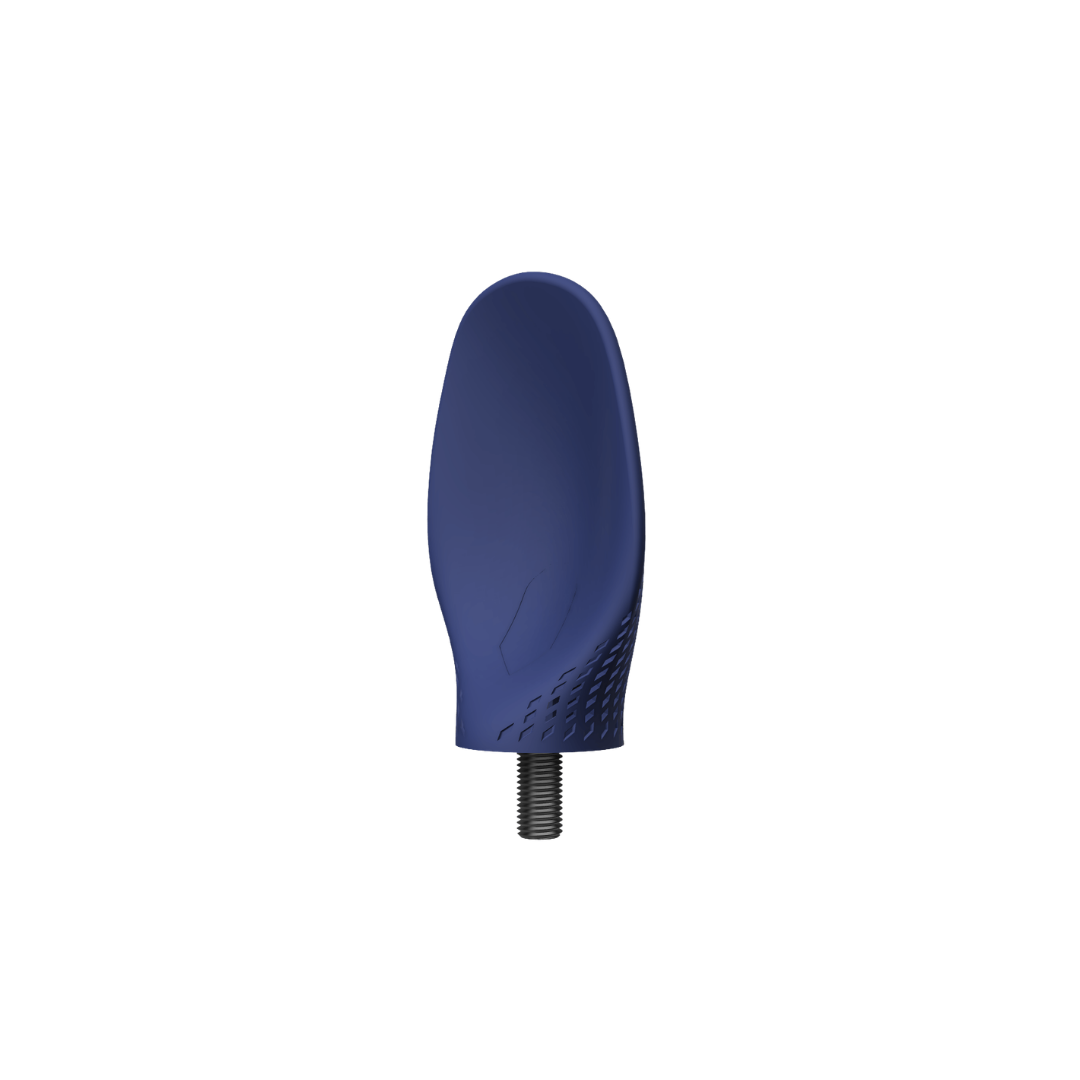
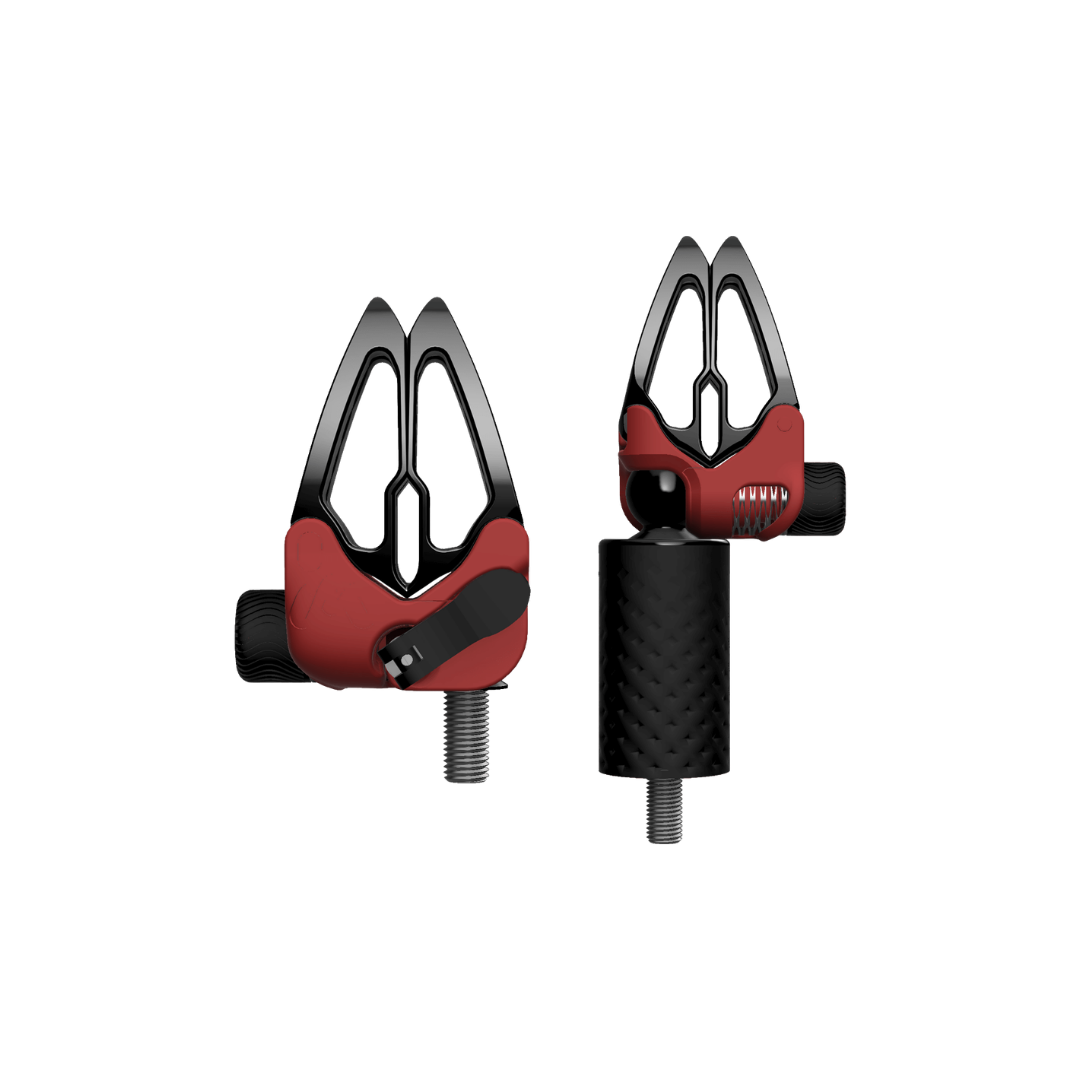
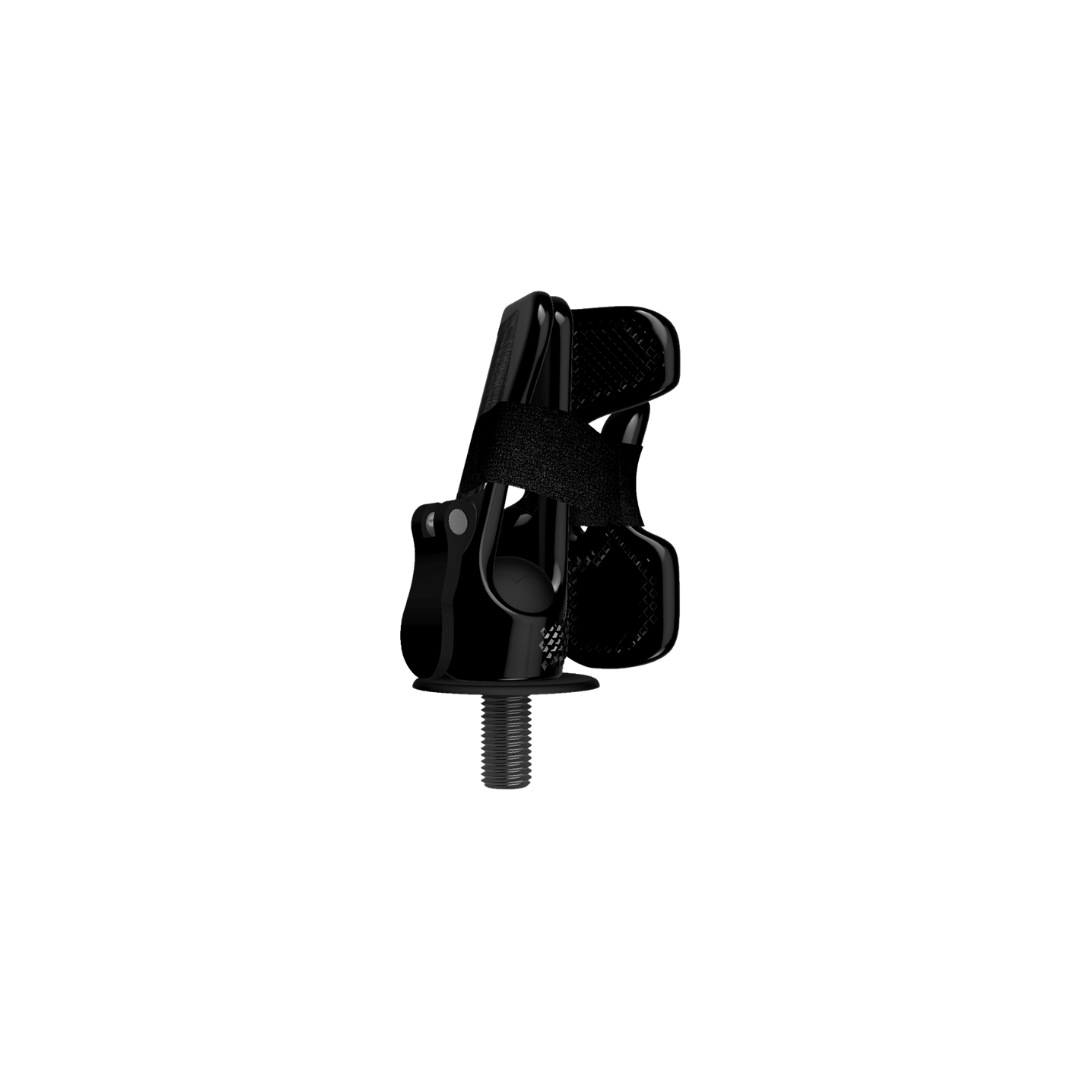
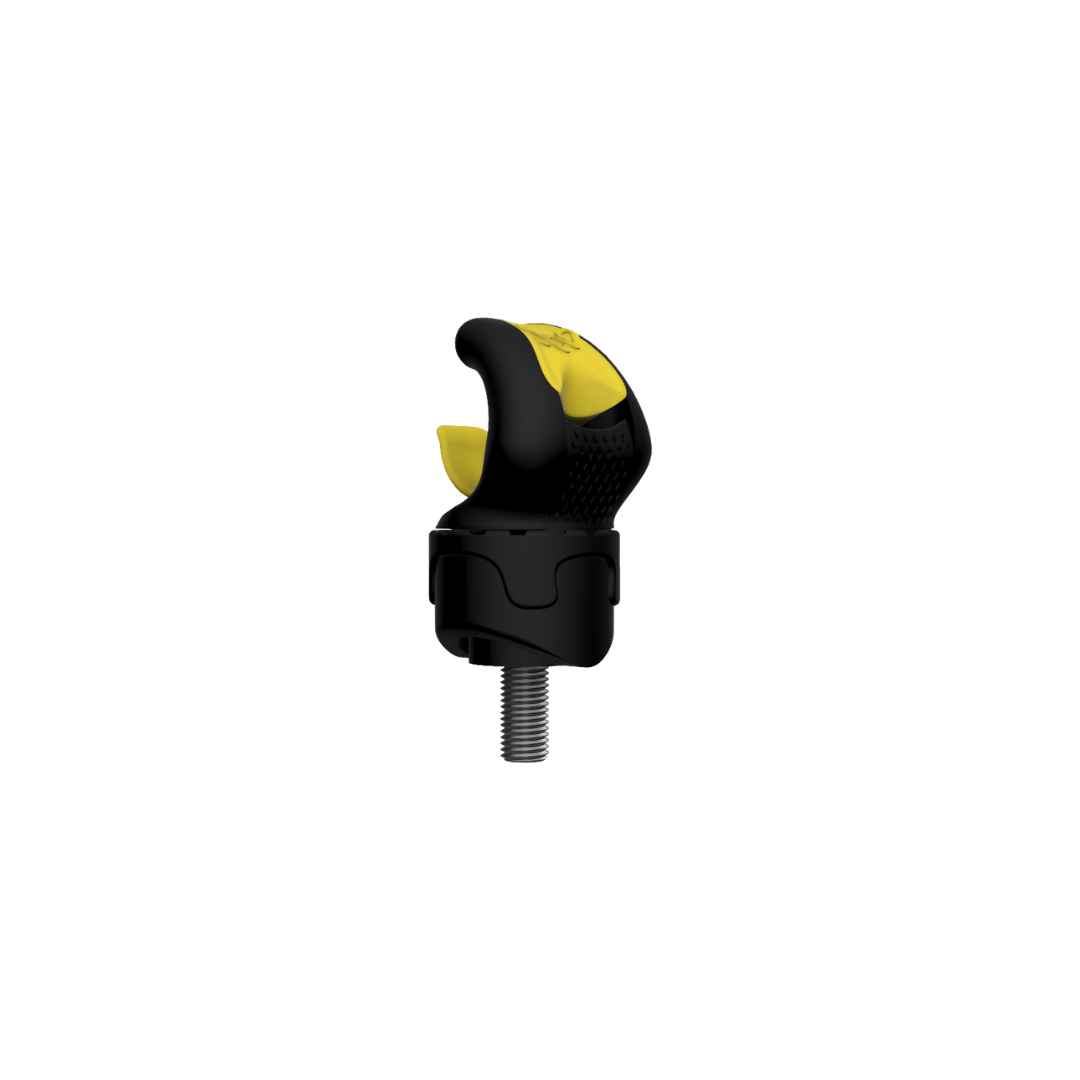
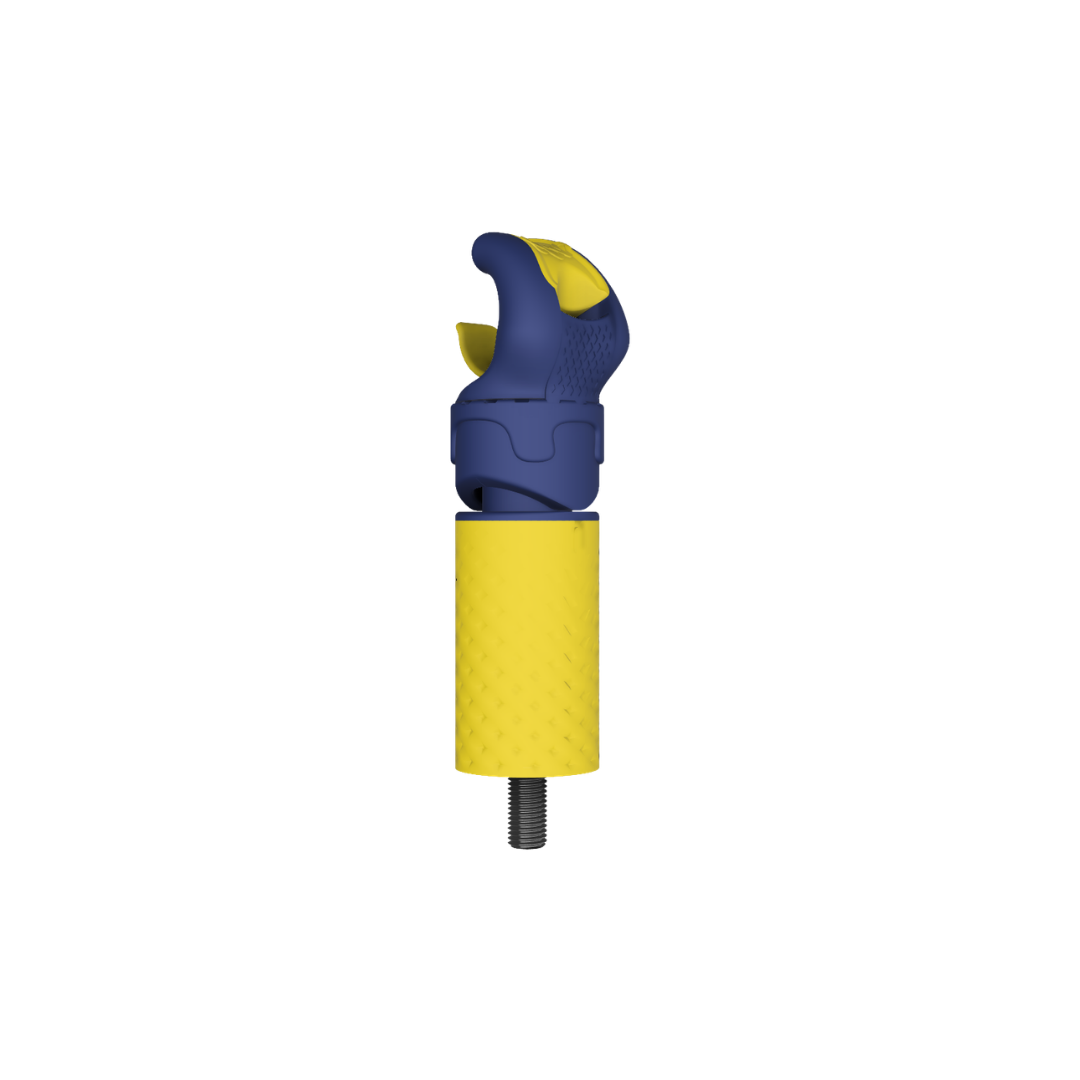
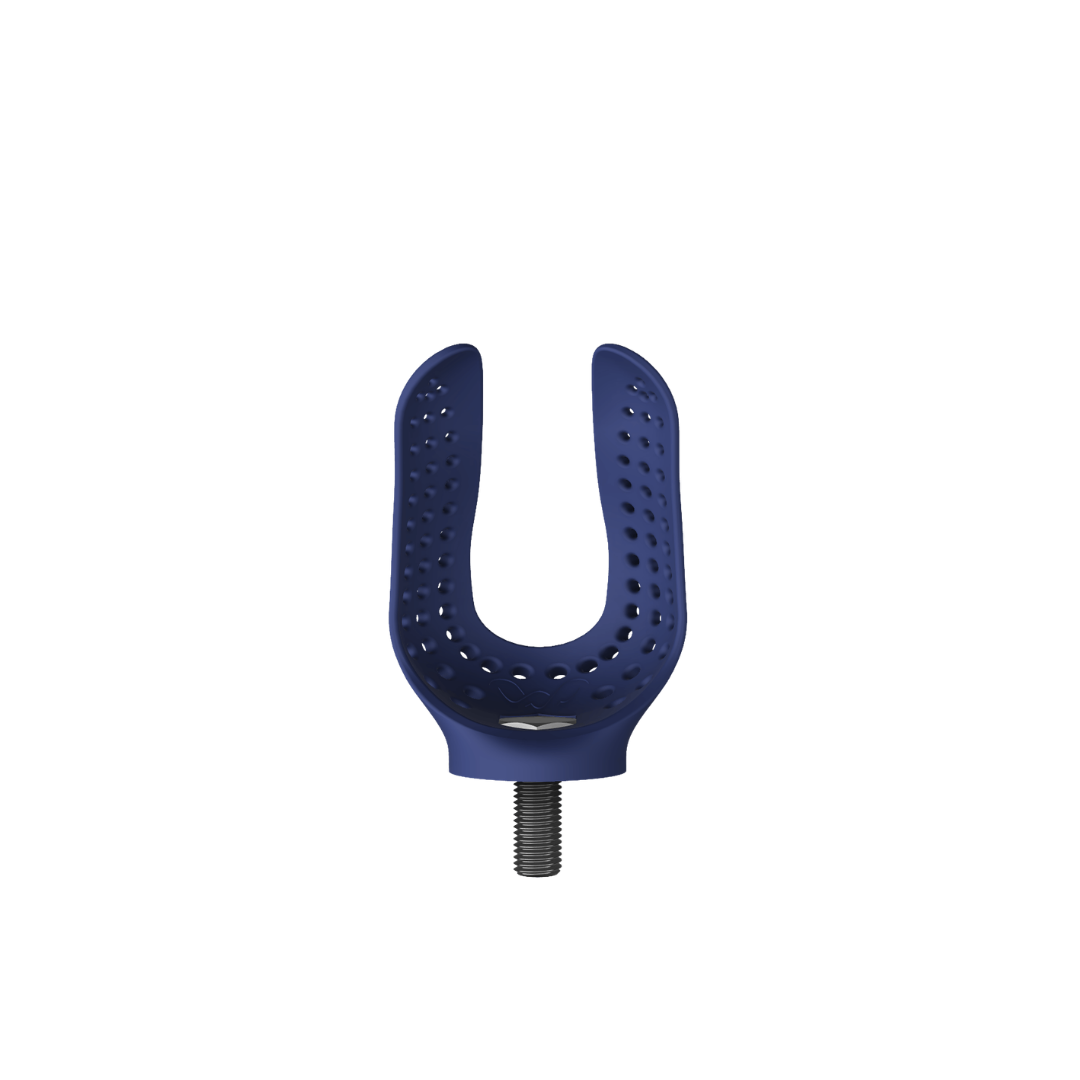
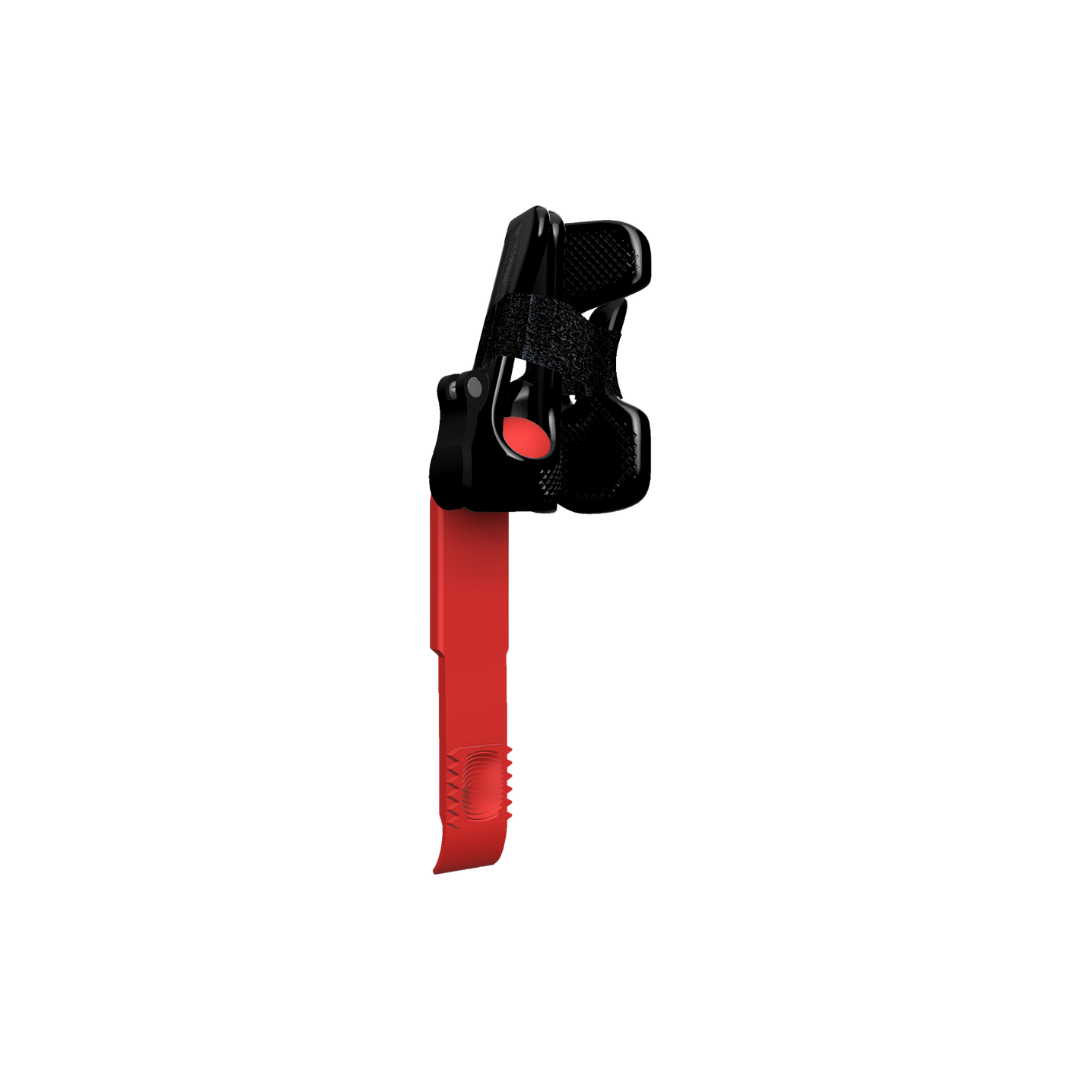
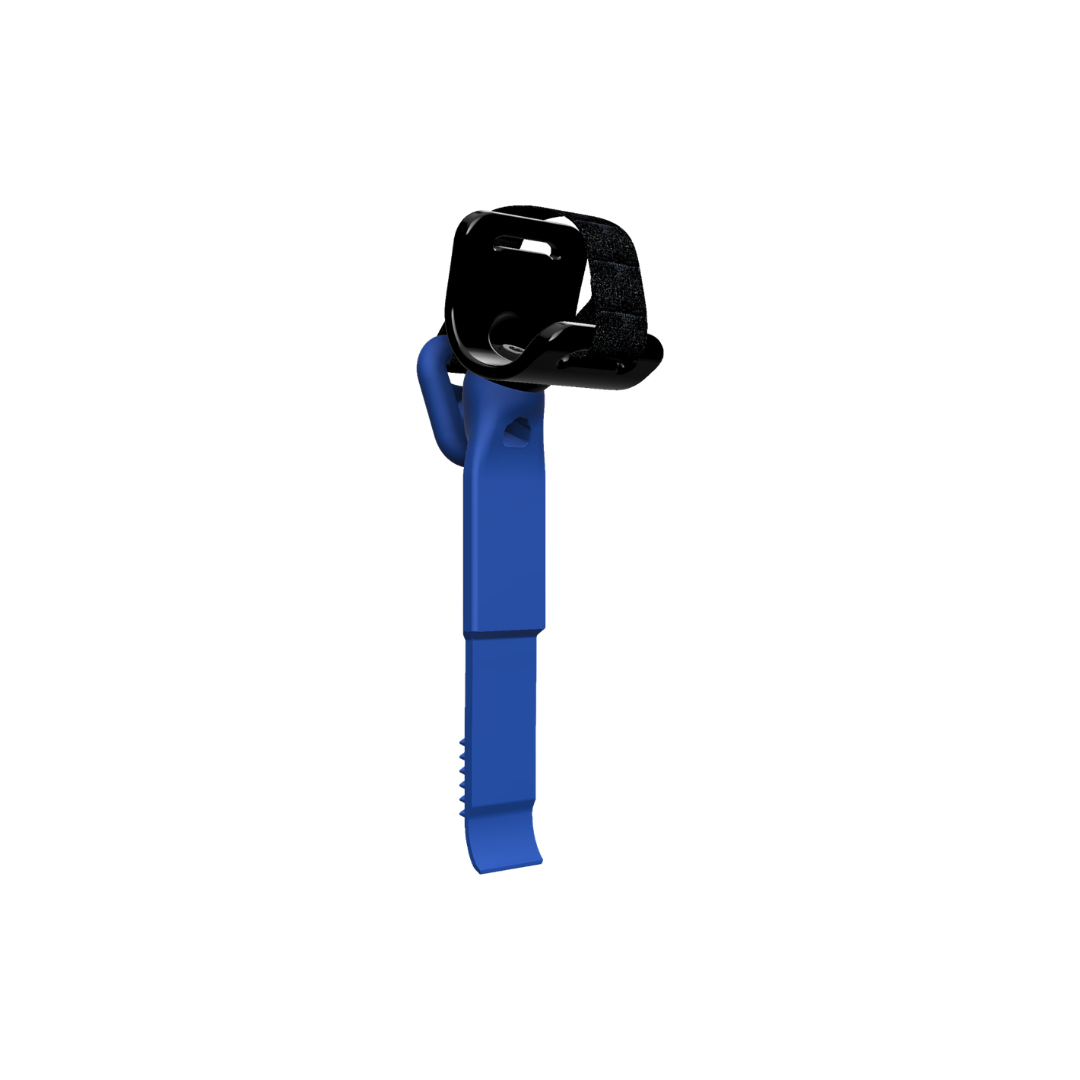
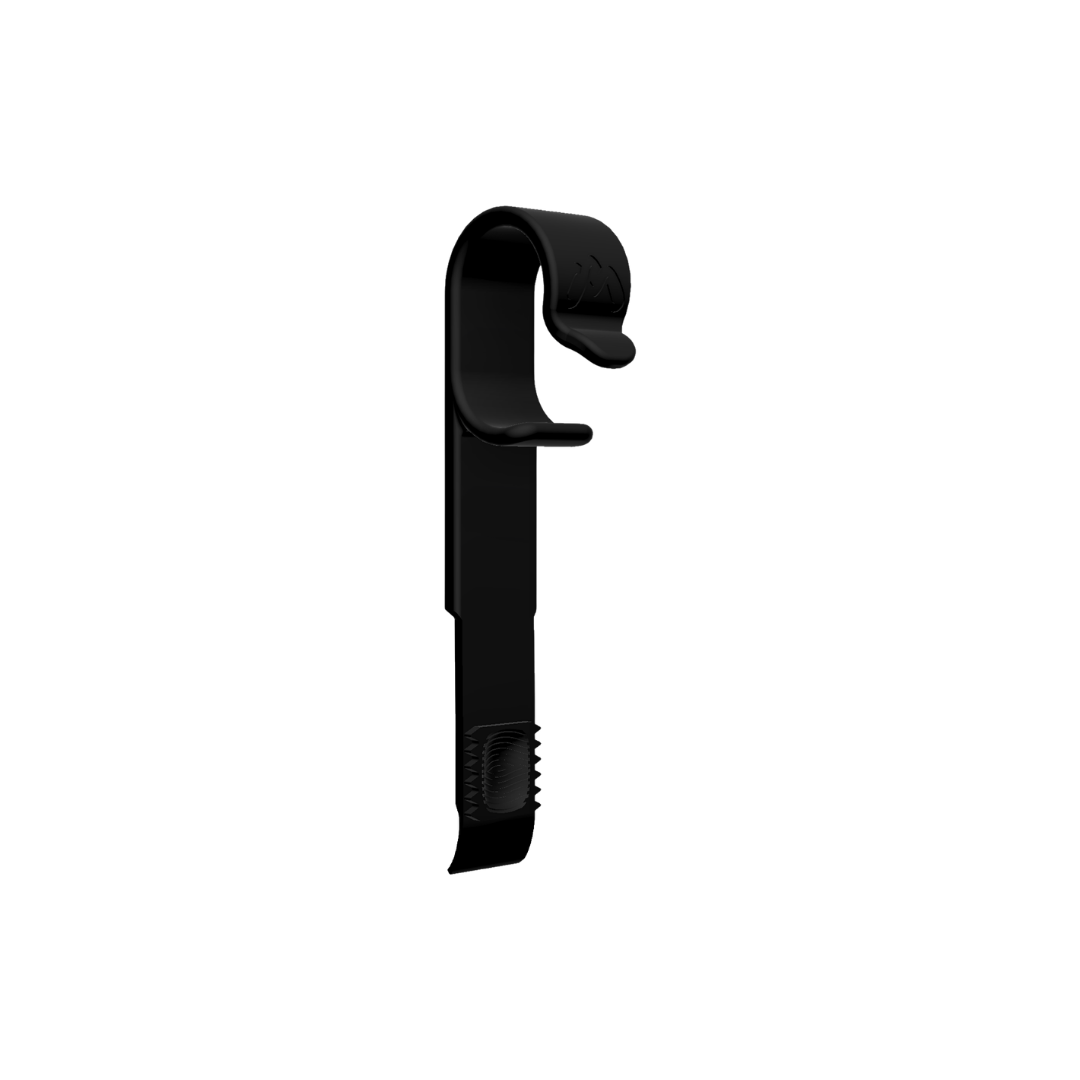
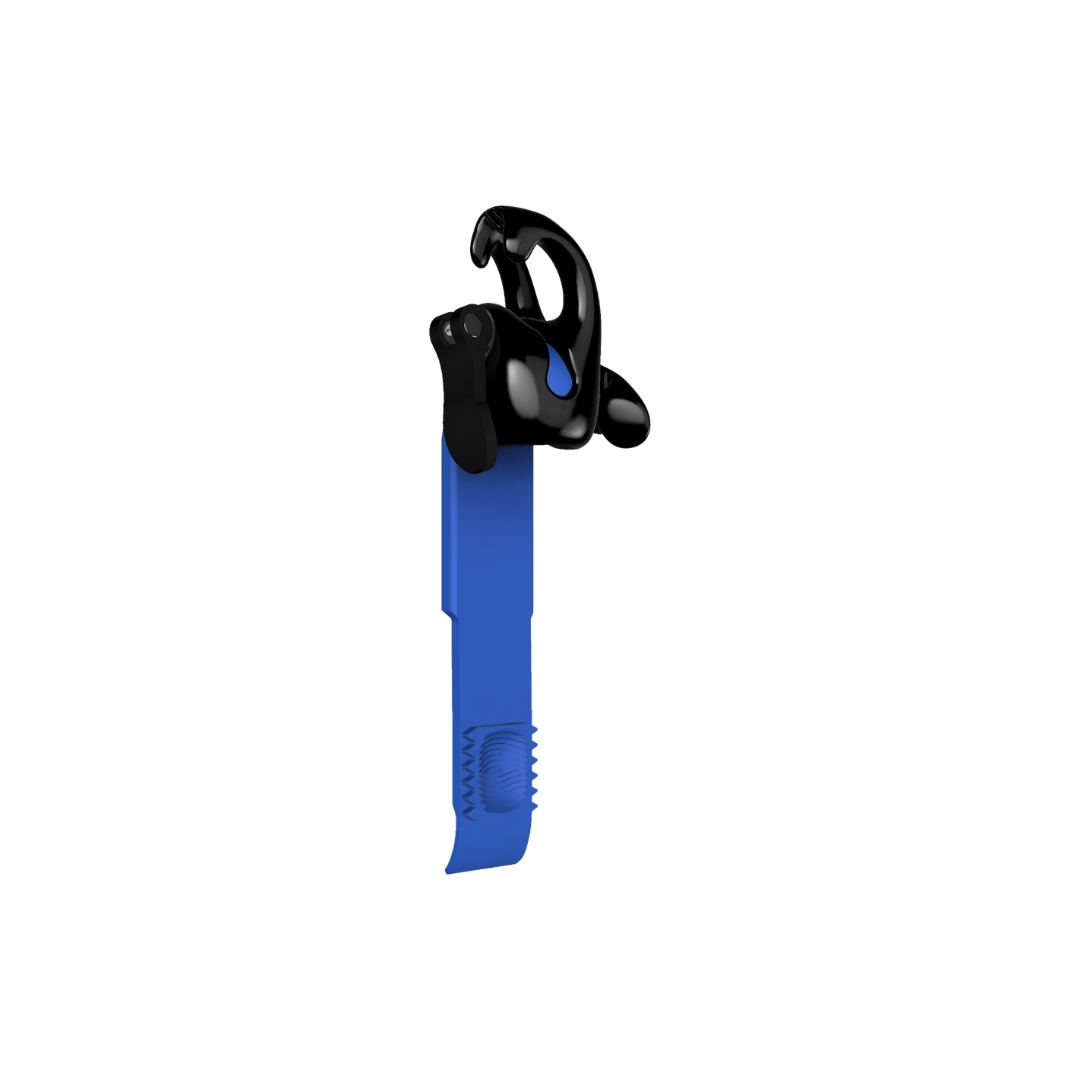
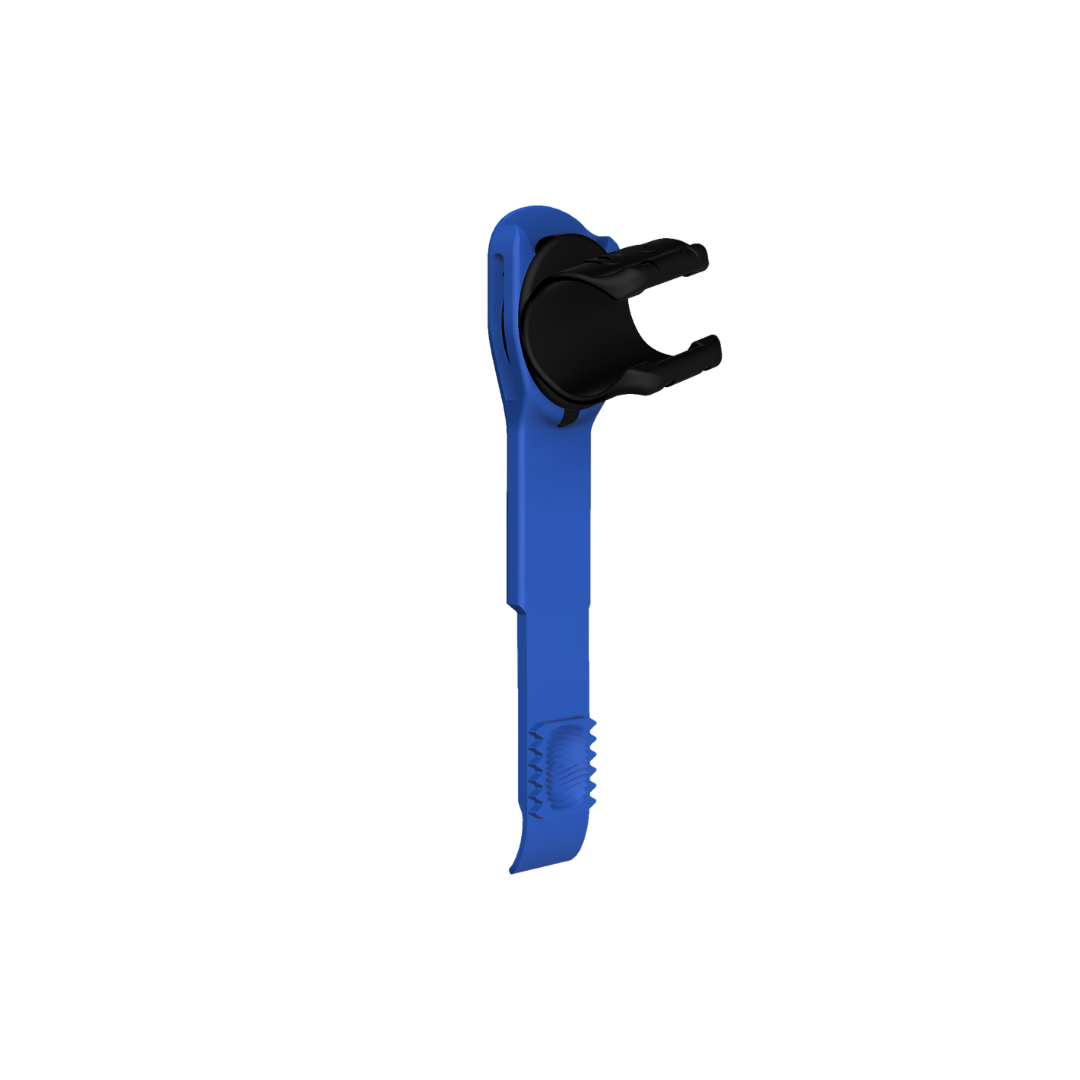
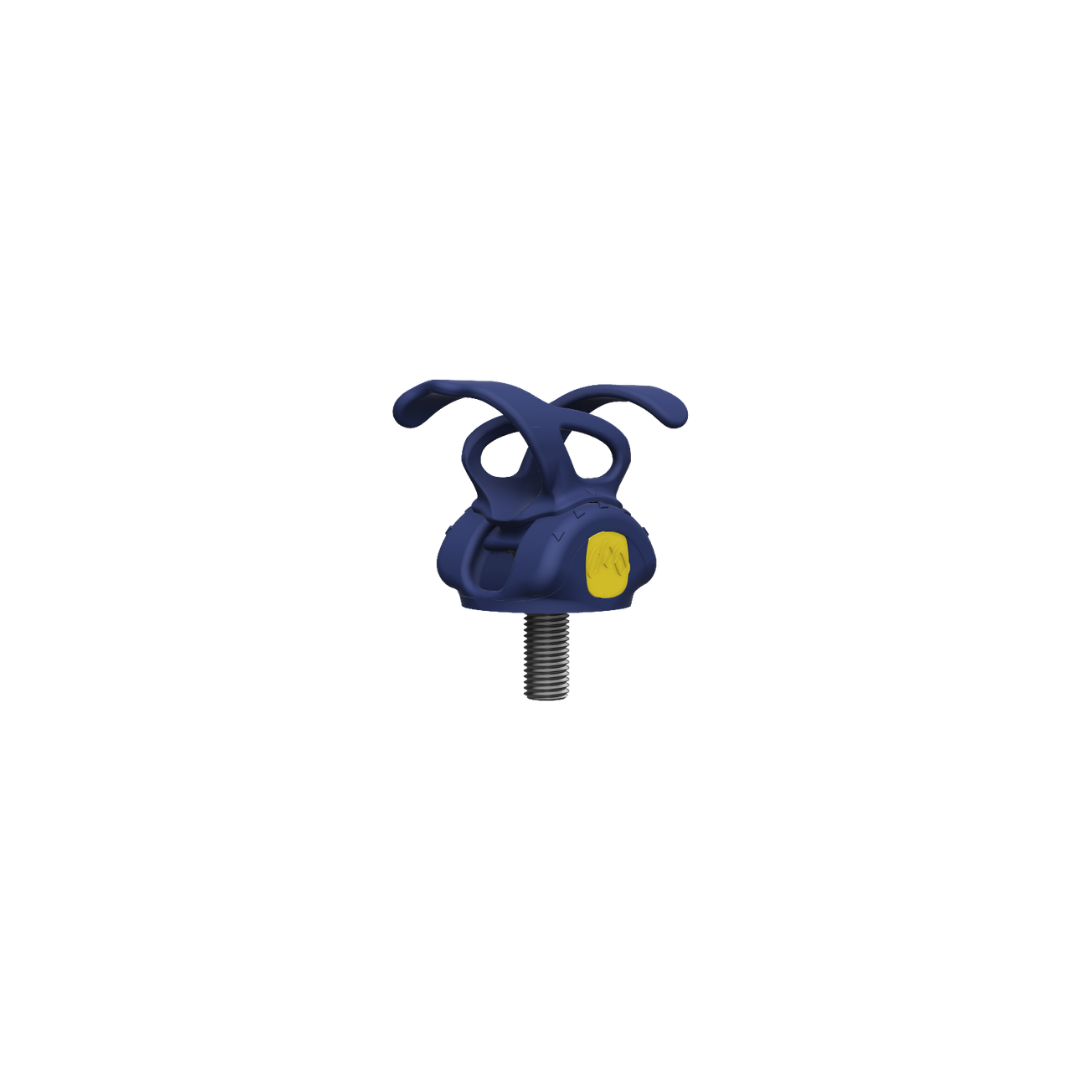
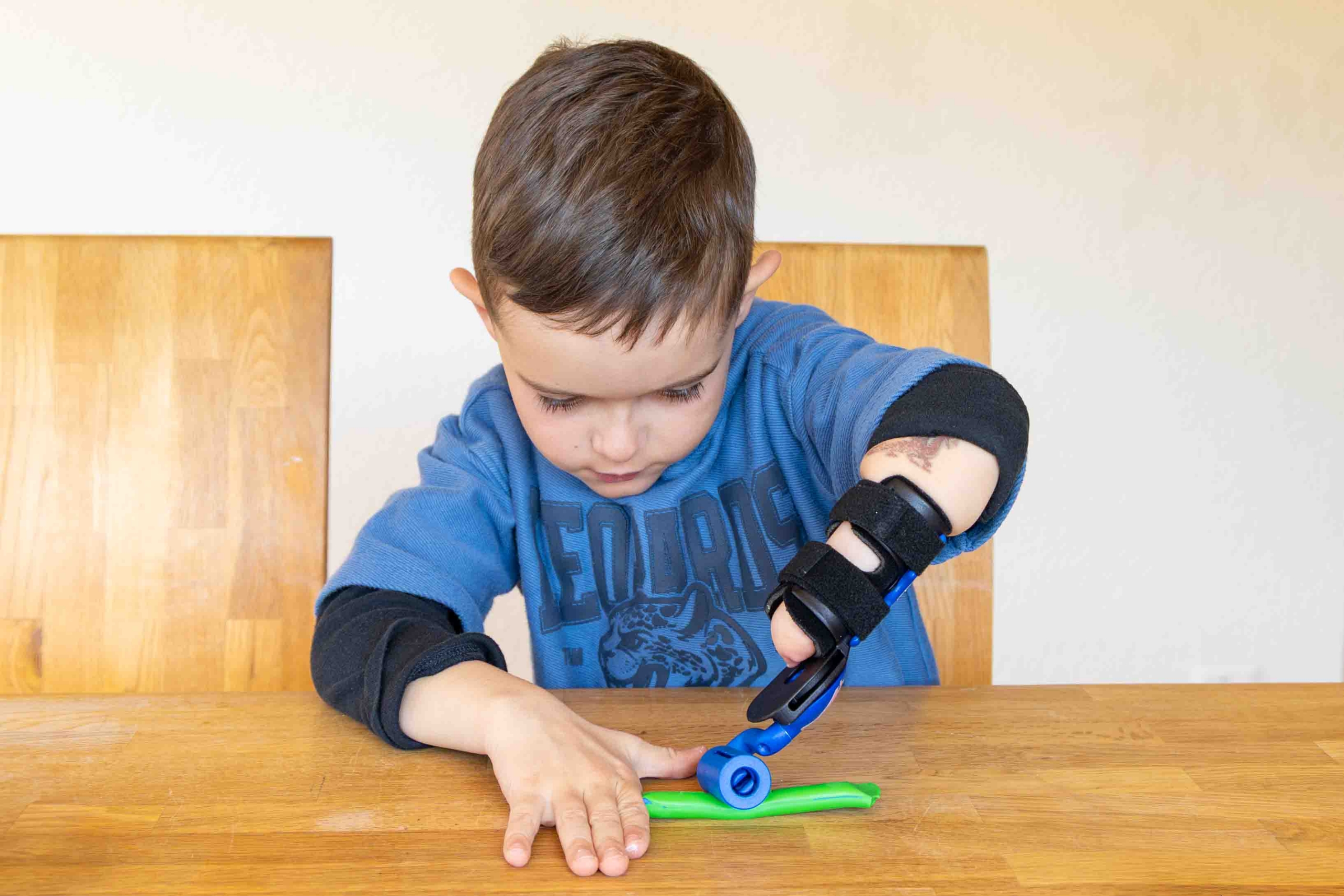

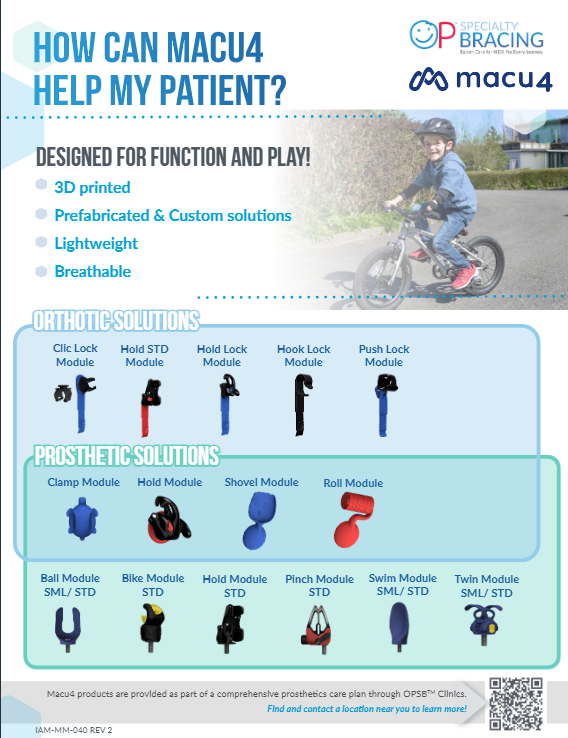
Prosthetic options are good for long term solutions for limb difference or limb loss. The orthotic options are good for temporary solutions due to an accident or long term solutions due to neurological conditions or congenital conditions.
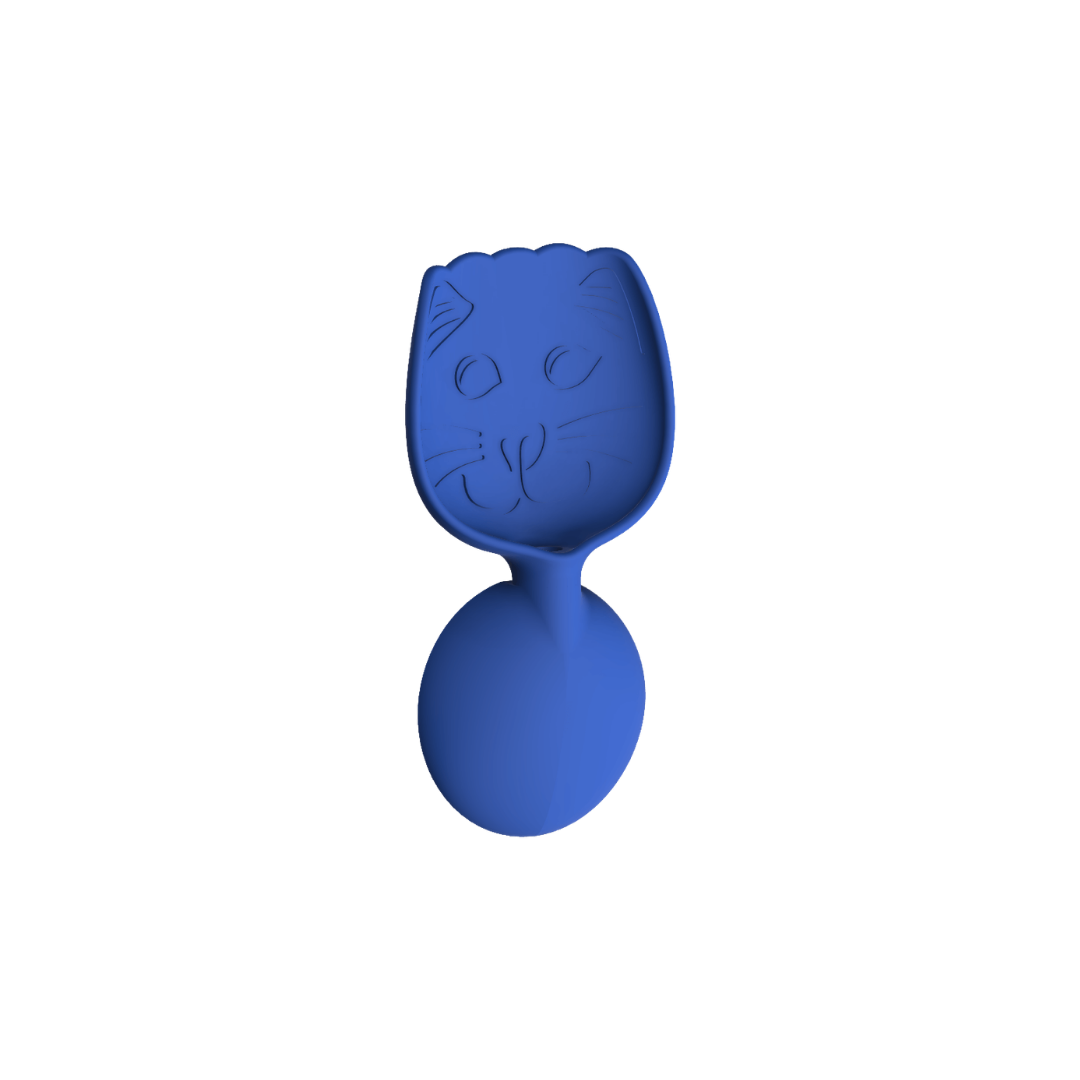
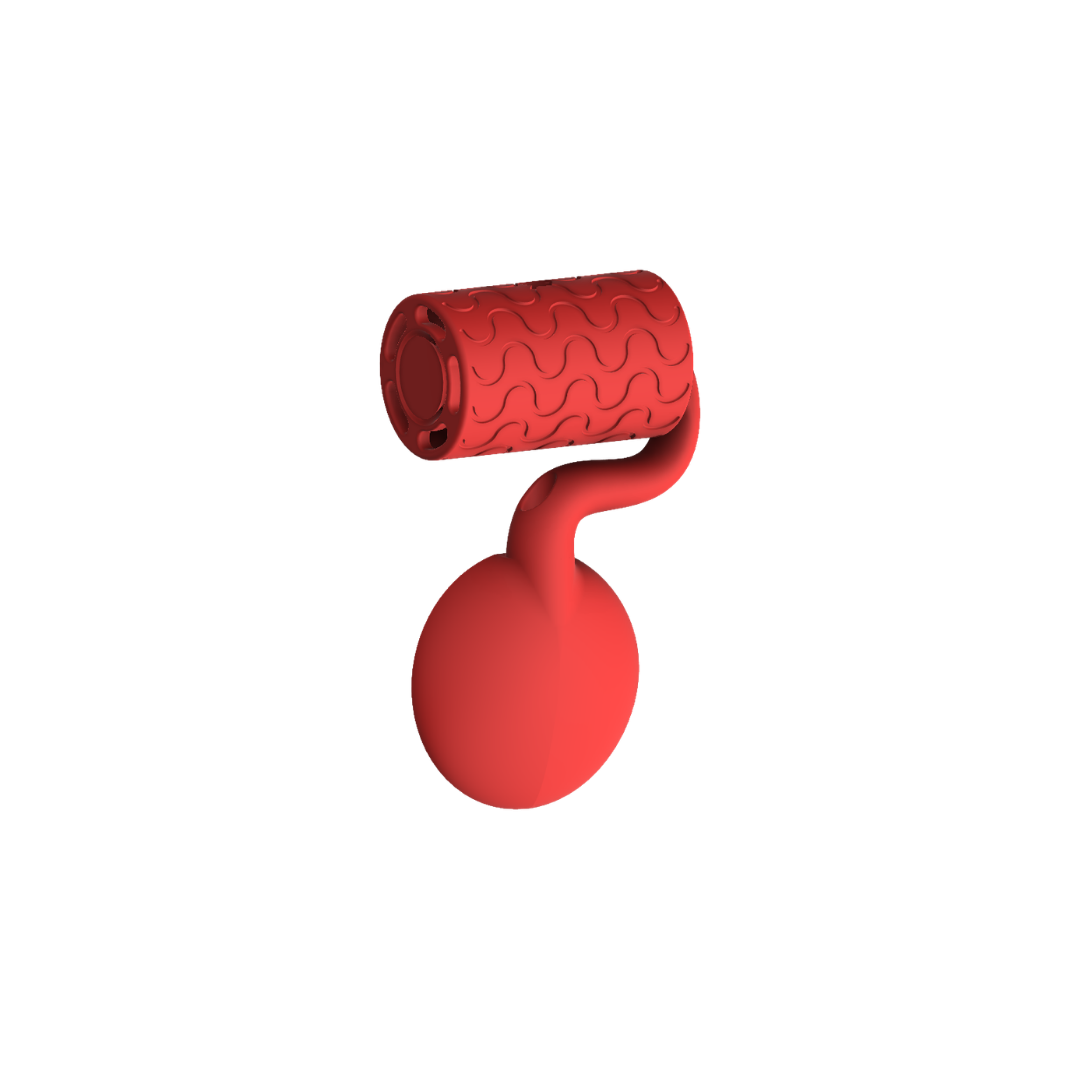
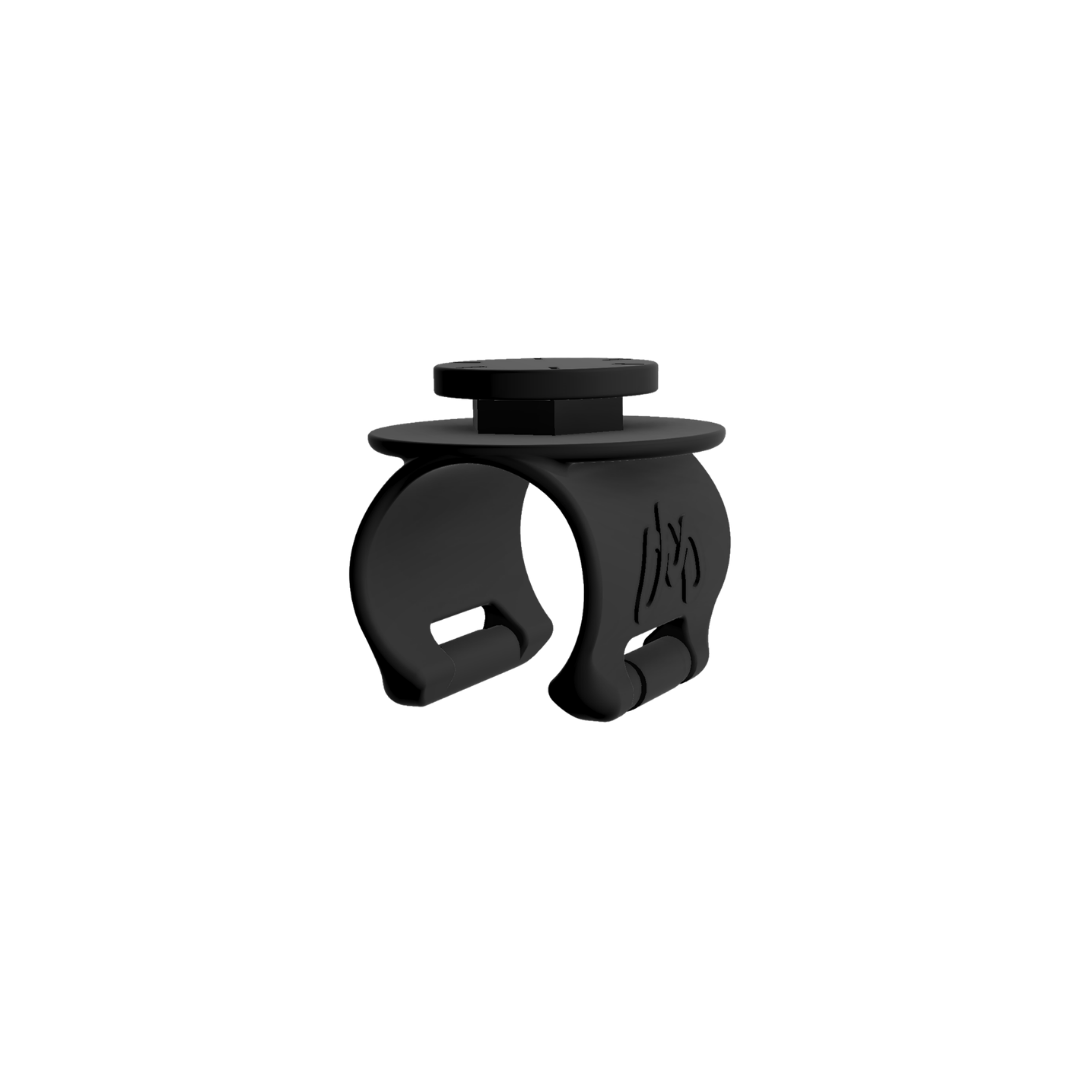
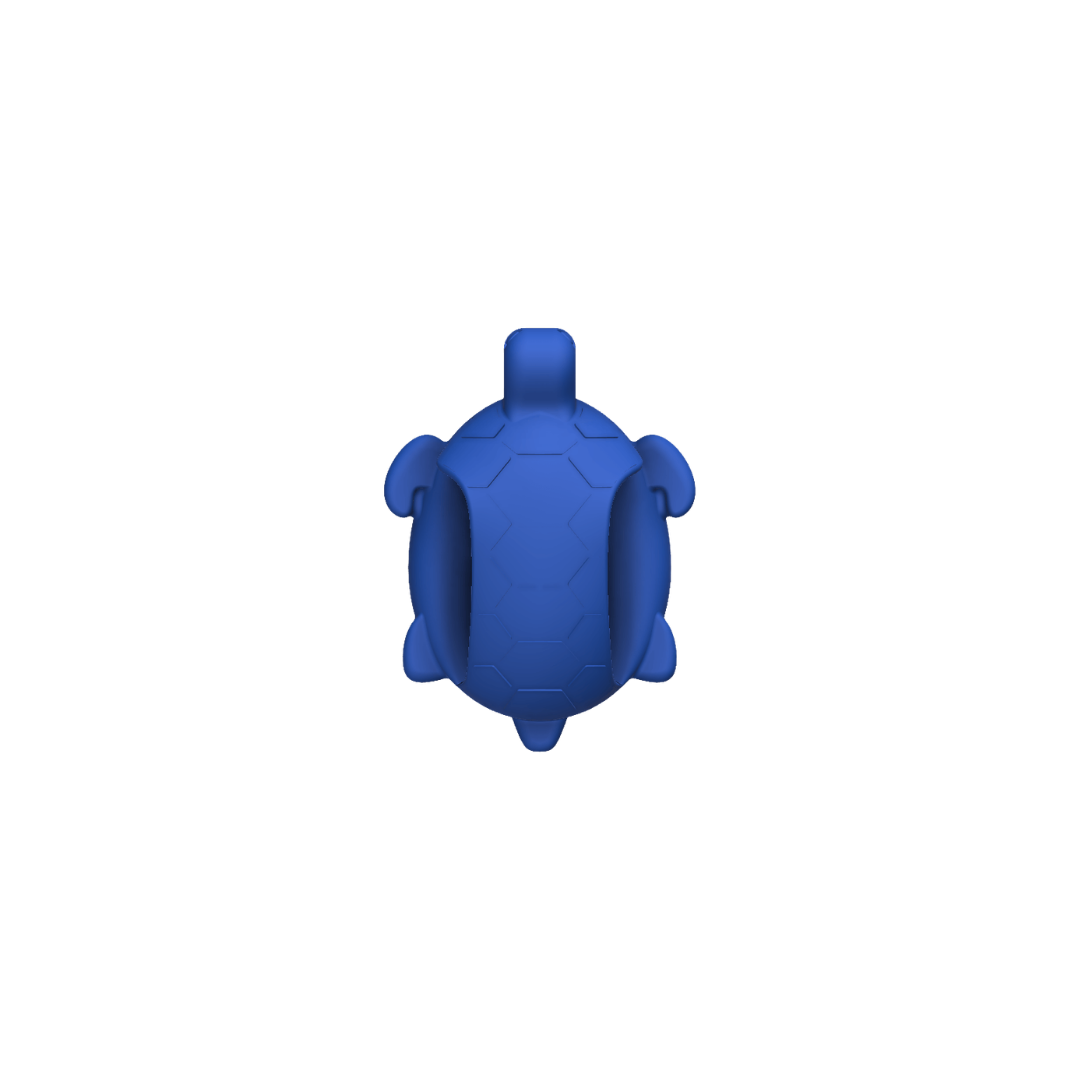
Each macu4 system is built on customized or standardized base components paired with interchangeable activity modules. This design allows clinicians to match support to functional goals then adjust as needs evolve without starting from scratch.
Each macu4 solution is developed in collaboration with clinical experts and end users. Our team guides providers step by step through the configuration process to ensure every device is precisely aligned with the child’s functional goals and treatment plan.
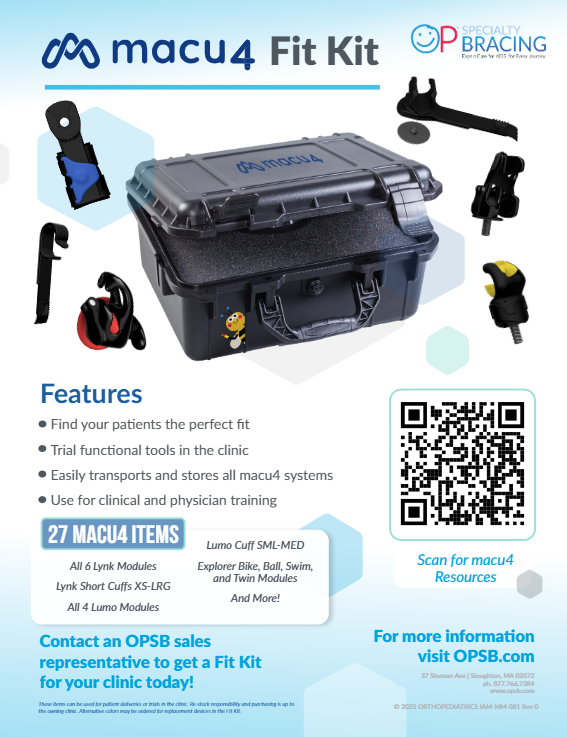
Contact an OP Specialty Bracing Clinic to speak with a specialist about how the macu4 system can help your patients with upper extremity limb loss & limb difference and functional orthotic devices.
What clinical indications are appropriate for macu4 systems?
macu4 systems are indicated for patients with forearm deficits, limited grip function, or those requiring wrist protection. They can be used as orthotic or prosthetic aids for both temporary and permanent care, as well as for functional support during rehabilitation or trialing care options.
How do macu4 devices support functional outcomes in daily life?
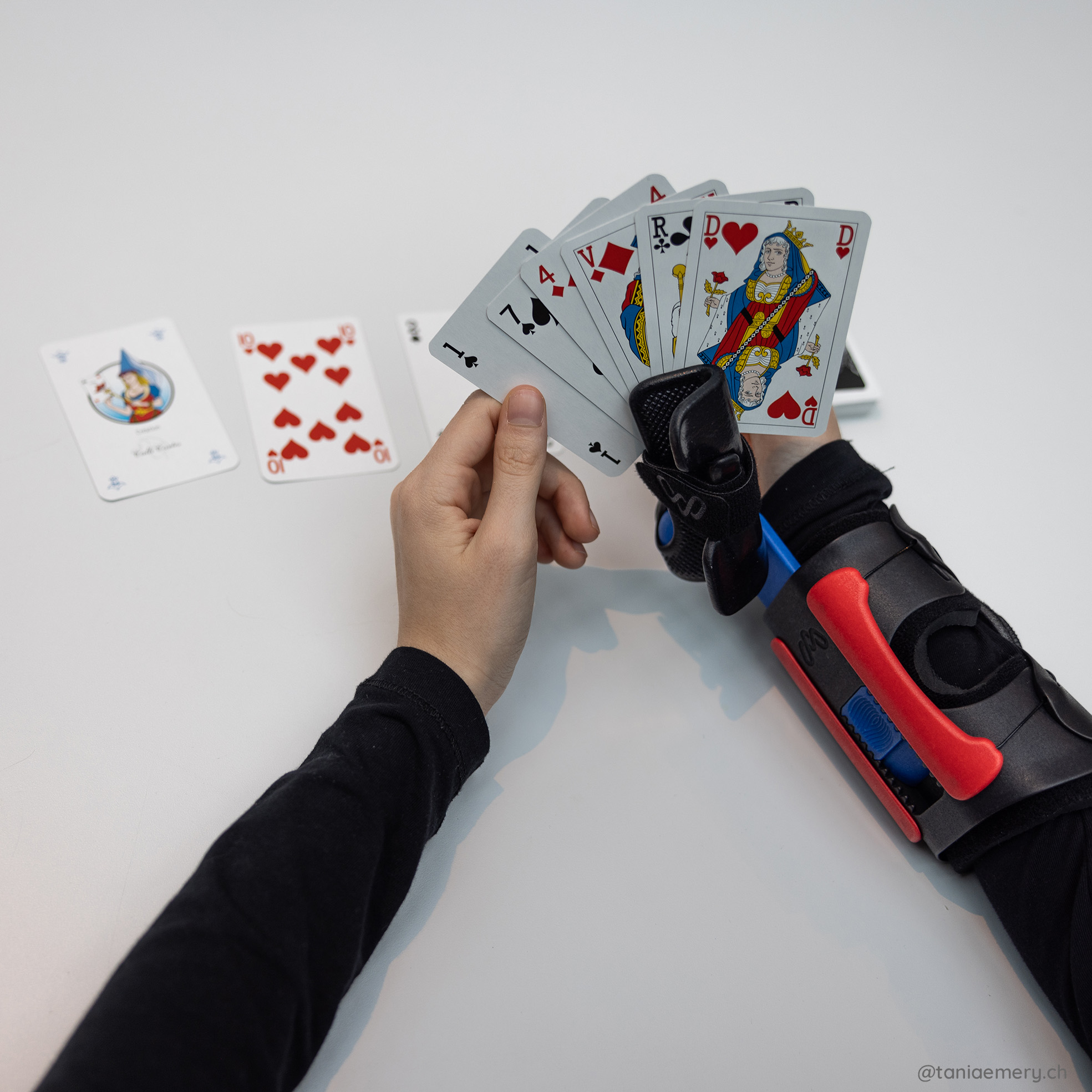
The systems provide passive functional support for activities of daily living, mobility-related tasks, work, education, leisure, and sport. Their modular activity-based design allows patients to participate in a wide range of real-world tasks.
What is the clinical benefit of the modular design?
macu4 products combine base components with interchangeable activity modules, allowing clinicians to adapt the device to different functional needs without replacing the entire system. This modularity enables task-specific rehabilitation and long-term adaptability.
Which patients are best suited for the Lynk System?
The Lynk System is appropriate for patients who retain a wrist but have impaired grip function or partial/complete hand loss. It can be used in cases of paralysis, muscle weakness, injury, or joint stiffness, and is suitable for patients aged 2 years and older.
Which patients are best suited for the Explorer System?
The Explorer System is designed for patients without a wrist, such as transradial amputees or individuals with dysmelia, requiring forearm prosthetic replacement. It is also suitable for patients aged 2 years and older.
How are forces managed to protect sensitive anatomical structures?
In the Lynk System, pressure forces are transferred to the forearm, which helps protect the wrist joint. Additionally, padding can be added to areas in contact with the hand or cuff to improve comfort and accommodate sensitivity.
What are the advantages in terms of weight and patient comfort?
macu4 devices are 3D-printed and lightweight, with systems such as Lynk weighing under 216 g and Explorer systems under 300 g. This reduced weight contributes to improved comfort, wearability, and patient compliance.
How does the system integrate into clinical workflow and fabrication?
macu4 uses a data-driven, simplified measurement process (via photos, scans, or templates), enabling faster fitting and reduced clinical time. The design automation and standardized processes allow for reliable cost planning, fewer adjustments, and efficient care delivery.
Looking for patient and family resources? Click here