
Julian’s Clubfoot Journey: A Family’s Story of Hope, Practical Tips, and Support
Finding out your baby may need special care is never easy. For Katie and Paul, the news that their son Julian had unilateral clubfoot was a surprise, one that brought emotional ups and downs. Their story shines a light on the day-to-day realities of clubfoot treatment, the support available, and why it’s okay to take things one step at a time.
Understanding Clubfoot: Julian’s Diagnosis and Early Days
Unilateral clubfoot is a condition where one foot, in this case Julian’s left, turns inward at birth. Clubfoot can be seen during prenatal scans, which is when Julian’s parents first learned about his condition. That revelation changed everything. As Katie described, “nobody wants to hear anything is wrong with their baby.” The words sting, and the first spark of worry often grows into a wave of emotions.
Still, Julian kept growing just like any other baby. He hit typical milestones and brought the same joy as any newborn. His clubfoot diagnosis didn’t put his development on pause. It meant the family took extra steps each day, but Julian’s bright spirit never dimmed.
The early days were a mix of medical appointments and learning new routines. Emotions flipped from concern to hope, sometimes in the same hour. Trust the process, Katie and Paul repeated, holding onto every small sign of progress. Parents facing a new clubfoot diagnosis might feel:
- Shock and disbelief at first
- Worry about the future
- Sadness or even guilt
- Overwhelming hope when treatment begins to work
Julian’s story is proof that even unexpected news can lead to new sources of strength and love.
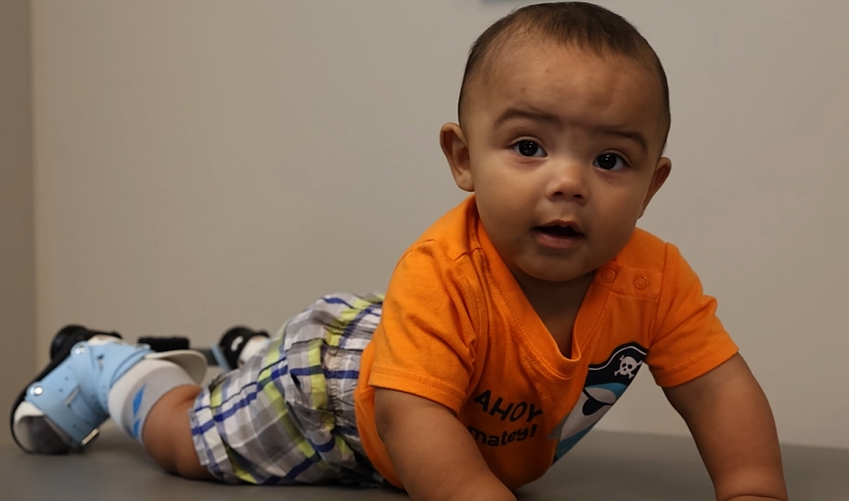
The Treatment Process: Adapting to Clubfoot Boots
Julian’s clubfoot journey included the well-known “boots and bar” treatment, a common, effective approach for supporting babies through clubfoot correction. The boots connect to each other with a bar, holding both feet in the right position so the affected foot can stretch and grow properly.
At first, the boots were a big change. Babies instinctively move their feet and kick around. When Julian first tried his boots, he seemed surprised by the way his feet couldn’t move independently. For a few days, he had to learn new ways to stretch, move, and get comfortable.
But adapting came quicker than expected. It only took about a week for Julian to get used to the boots, his parents shared. After that first stretch, the boots and bar stopped feeling like obstacles. They became just a normal part of Julian’s routine.
Katie and Paul used some creative tricks to help Julian feel at ease:
- Show movement: They’d gently hold the bar and bend Julian’s knees together, showing him he could still move both feet at once.
- Encourage comfort: Making playtime and snuggles part of the boot routine helped Julian see his day wasn’t so different after all.
- Let him explore safely: They kept a close watch, letting Julian find new ways to play even with the bar connecting his boots.
Tips for Helping Babies Adjust to Clubfoot Boots:
- Expect some frustration or surprise in the beginning, but keep calm—babies adjust fast.
- Use gentle movement, swinging or bending knees, to show your child they can still move.
- Make boot time fun with songs, favorite toys, or extra cuddles.
- Talk to your clinic about ways to make the boots more comfortable for your baby.
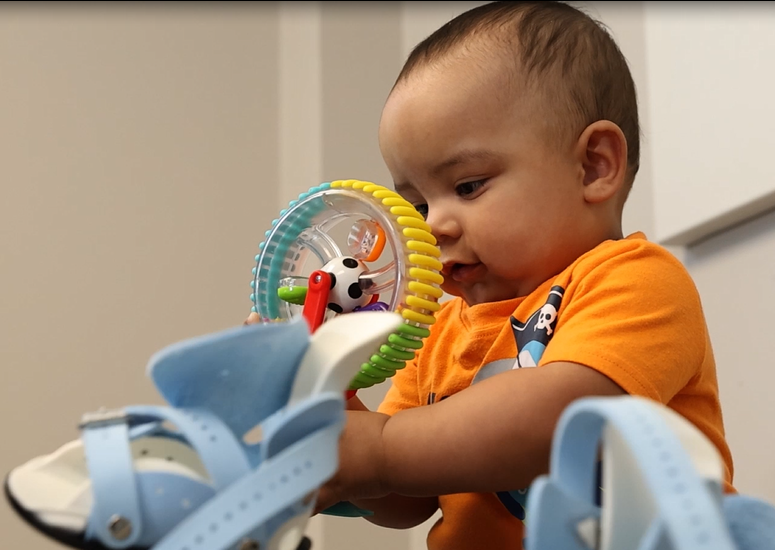
Another standout was the support from the staff at their OPSB clinic. Every visit, they felt cared for. Any questions we had, we could ask, and staff always explained things clearly. When Julian needed new boots fitted, the orthotist used a smart, simple trick:
After adjusting the new boots, they marked the right setting with a pin, so Katie and Paul didn’t have to count small dots each time. This little touch made it easy to strap Julian in correctly at home, even when they were in a rush or feeling tired.
Sometimes, the smallest details—like a pin mark on a boot—can take a huge weight off a parent’s shoulders.
Managing the Emotional and Practical Challenges
The path to correction wasn’t easy for Julian’s family. There were doubts, long nights, and those moments when Katie and Paul asked themselves if they were doing it all right. “It was definitely an emotional ride… it was a long process but it’s definitely working out.”
Sticking with the wear schedule, learning to trust new routines, and remembering to look for progress instead of perfection shaped their experience. Even on tough days, they saw how small adjustments could bring big relief:
- Marking the boot settings made the strapping process simple and fast.
- Relying on the consistent care and kindness of doctors and specialists brought reassurance.
- Not being afraid to ask for help—whether for advice, a second look at the fit, or just an encouraging word—helped strengthen their confidence.
Trusting the process was their family mantra, but it’s really about trusting both themselves and the team supporting them.
“The hardest parts pass, and one day you wake up and realize that what once seemed impossible is now just another part of the family routine.”
Remember, every journey with clubfoot will look a little different, but the mix of emotions—worry, hope, confusion, pride—will be familiar to many.
Tips and Insights for Parents New to Clubfoot Therapy
Julian’s parents learned a lot by going through treatment day by day. Their advice is practical, and it comes from real experience.
What helped Julian, and could help you:
- Don’t panic if your baby struggles at first. Most get comfortable within about a week.
- Be patient. Progress sometimes feels slow, but it adds up.
- Show your baby how to move their legs and feet in the boots using gentle bending and rocking.
- Use small, simple markings on the boots’ settings to make strapping them on quick and foolproof.
- Keep communication open with clinic staff. No question is too small.
- Try to include boot care in daily cuddles, play, or feeding time, so it feels less disruptive.
- Remember that emotional ups and downs are normal. Connect with other families or a support group if you can.
Taking the clubfoot journey as a family is challenging, but each act of patience pays off in your child’s new skills, strength, and smiles.
There are many organizations and groups dedicated to clubfoot support and information. While no specific resources are linked here, asking your doctor or care clinic for suggestions can be a good place to start.
A Family’s Message: There’s Hope in Every Step
At the heart of Julian’s story is the message that with care, community, and creative problem-solving, children with clubfoot can thrive. The diagnosis is tough, but treatment is proof that things really can turn out well. Simple innovations—like pin-marked boots and compassionate doctors—ease the journey.
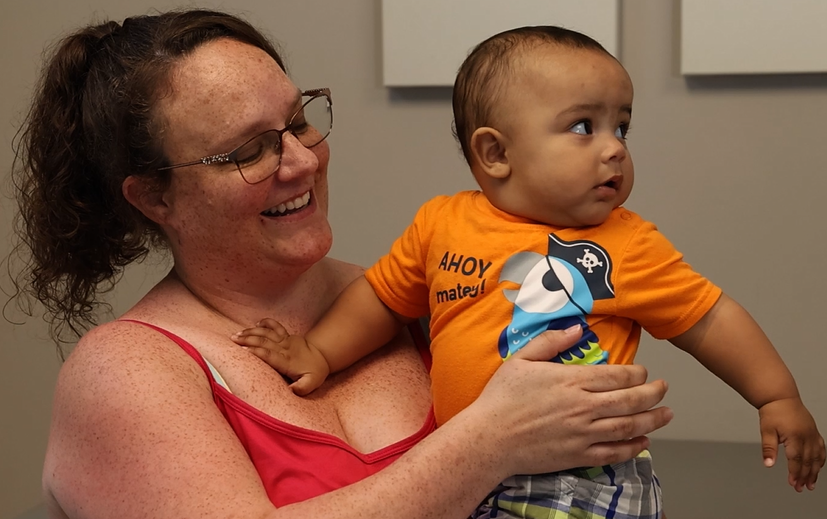
For any family hearing the words “clubfoot” for the first time, know that you’re not alone. The process is full of emotions, but there are brighter days ahead. As Julian grows, so does the confidence his parents have in themselves and in their community. Their story is a reminder that what feels overwhelming today often becomes tomorrow’s new normal.
If you’d like to watch Julian’s story told by his parents, you can find the video near the top of this page for more insight and encouragement.
Every small victory matters. And every family, like Julian’s, shows there’s hope in every step.

